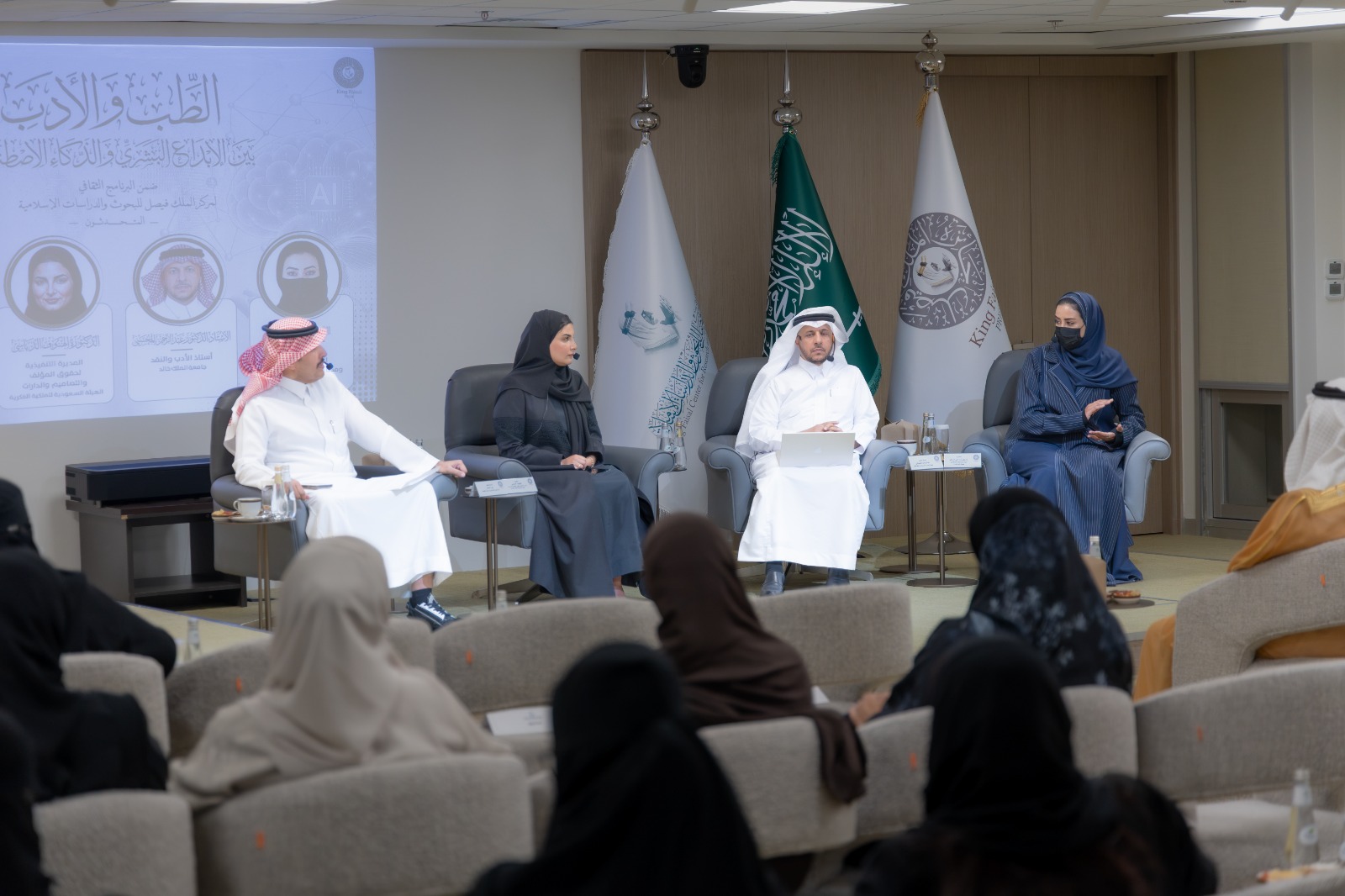
The King Faisal Prize (KFP) and the King Faisal Center for Research and Islamic Studies (KFCRIS) jointly organized a symposium in Riyadh, focusing on the transformative impact of artificial intelligence across various fields. The event aimed to explore AI's influence on medicine and literature, bringing together experts to discuss the latest developments and future implications. The symposium served as a platform for interdisciplinary dialogue, examining how AI technologies are shaping health sciences and creative writing. Participants delved into the ethical considerations and practical applications emerging from AI's integration into these critical sectors, noting both the opportunities for advancement and the challenges that require careful navigation. The discussions showed the growing importance of understanding AI's multifaceted role in contemporary society.
Organizers and Focus
The symposium centered its discussions on the intersection of medicine and literature within the evolving landscape of Artificial Intelligence. Participants explored how AI technologies are reshaping diagnostic methods, treatment protocols, and medical research, alongside examining AI's growing role in creative writing, textual analysis, and the preservation of literary heritage. The event provided a platform for experts from both scientific and humanistic disciplines to exchange insights on the opportunities and challenges presented by AI's integration into these fields. Discussions addressed the ethical implications of AI in healthcare, such as patient privacy and algorithmic bias, and the potential for AI to transform artistic expression and academic inquiry, including questions of authorship and originality. The organizers emphasized the need for a holistic approach to understanding AI's societal impact, bridging traditionally separate academic domains.
Event Location and Context
The symposium, which explored artificial intelligence's influence on medicine and literature, was held in Riyadh. The capital city of Saudi Arabia hosted the discussions, drawing participants to the King Faisal Center for Research and Islamic Studies (KFCRIS). The event provided a venue for experts to convene and address the multifaceted implications of AI across scientific and humanistic disciplines. Riyadh served as the central point for this interdisciplinary exchange, facilitating dialogue on both the advancements and the ethical considerations presented by AI. The choice of Riyadh as the host city showed the region's growing interest in fostering technological innovation and intellectual discourse, particularly on topics that bridge scientific progress with cultural and ethical understanding. The symposium aimed to contribute to a global conversation about AI's responsible development and application.
Source Information
The Agence Nigérienne de Presse (ANP) published the article detailing the symposium's proceedings. The report, which covered the discussions on AI's impact, was released on August 26, 2026. The ANP's coverage provided an international perspective on the significant discussions held in Riyadh, disseminating the insights gathered from the symposium to a wider audience. This reporting noted the global relevance of the topics discussed, emphasizing that the challenges and opportunities presented by AI are universal.
Broader Implications of AI
The symposium in Riyadh, organized by the King Faisal Prize (KFP) and the King Faisal Center for Research and Islamic Studies (KFCRIS), extended its focus beyond specific applications to consider the broader societal shifts driven by artificial intelligence. Discussions addressed the ethical frameworks necessary for responsible AI development, particularly in sensitive areas such as patient care and data privacy in medicine. Participants also explored the potential for AI to democratize access to information and creative tools, while simultaneously raising questions about authorship, intellectual property, and the future of human creativity in literature. The interdisciplinary nature of the event allowed for an examination of how AI's advancements might reshape educational paradigms and cultural preservation efforts globally. Experts showed the need for ongoing dialogue between technologists, humanists, and policymakers to navigate these complex transformations, ensuring that AI development aligns with societal values and promotes human well-being. The symposium served as a critical forum for fostering this essential cross-sector collaboration.