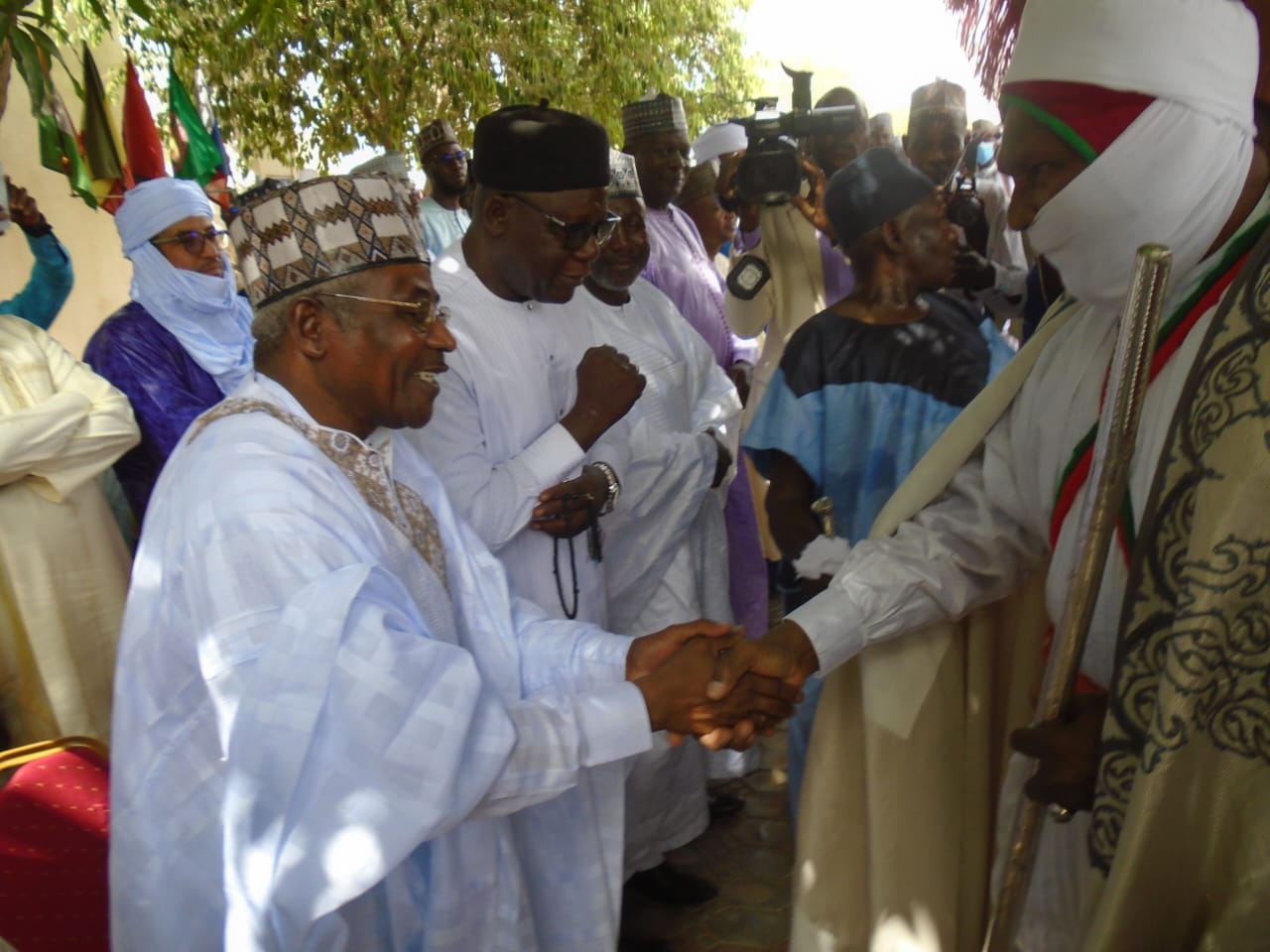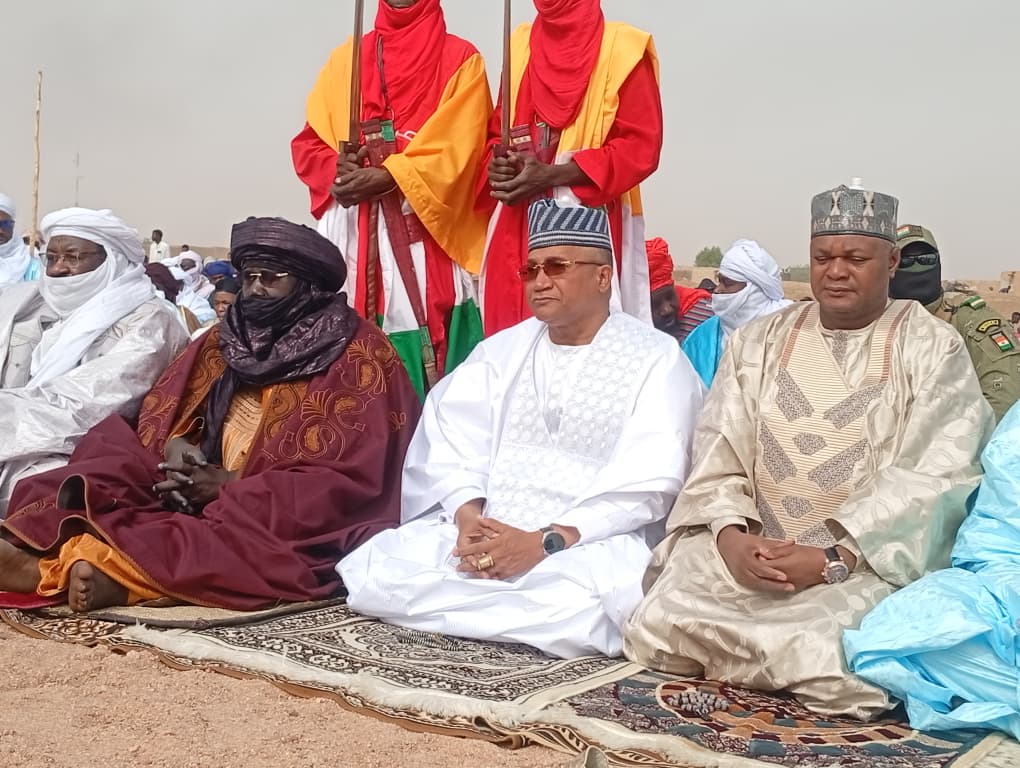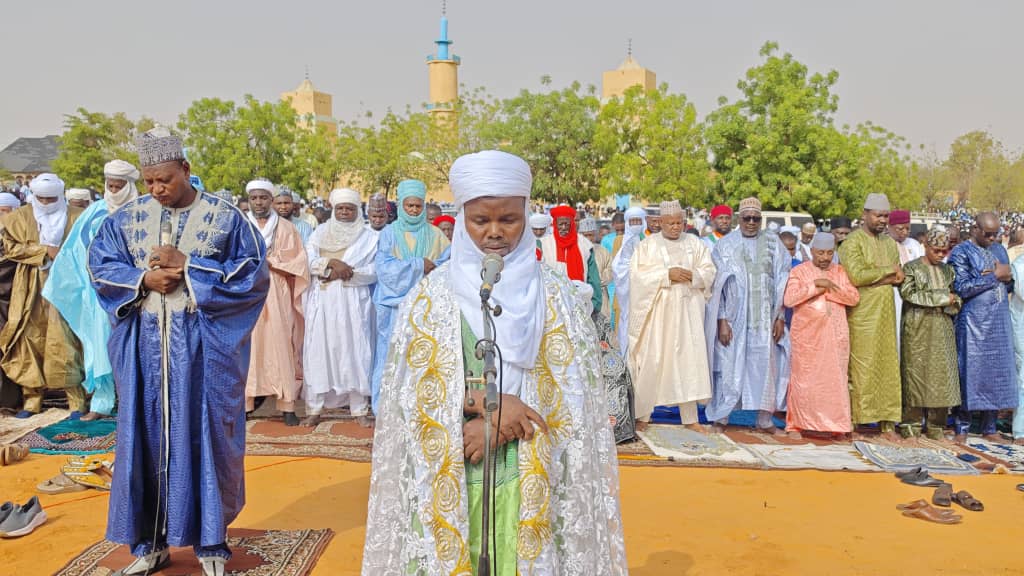
The city of Tahoua celebrated Eid al-Adha on Wednesday, May 27, 2026, with Muslim faithful marking the holiday with spiritual fervor, according to reports. The observance in Tahoua saw residents gather for prayers and traditional ceremonies, reflecting the deep religious significance of Eid al-Adha. This annual occasion, also known as the Festival of Sacrifice, holds immense importance for Muslims worldwide, commemorating the devotion and obedience of Prophet Ibrahim. The celebration shows the community's adherence to Islamic traditions and its collective expression of faith during one of the most important dates in the Islamic calendar. This annual event is a time for devotion, sacrifice, and community bonding among the faithful in the region, bringing together families and neighbors in a shared spiritual experience. The profound spiritual fervor observed during the celebrations notes the deep-seated religious commitment of the people of Tahoua.
Community Observances and Rituals
The Eid al-Adha observances in Tahoua typically commence with congregational prayers, a fundamental aspect of the celebration for Muslim faithful. These prayers are traditionally held in large open spaces or designated mosques, drawing together thousands of residents from across the city and surrounding areas. The early morning prayers signify the beginning of the festive day, uniting the community in a powerful display of collective worship. Following the prayers, families proceed with the ritual sacrifice of animals, primarily sheep, goats, or cattle, in commemoration of Prophet Ibrahim's willingness to sacrifice his son, Ismail. This act of sacrifice is central to the holiday's spiritual meaning, symbolizing devotion and obedience to God, and serves as a profound reminder of faith and submission. The careful preparation for this ritual, often undertaken days in advance, reflects the solemnity and significance attached to it by the faithful.
A significant portion of the sacrificed meat is then distributed to those in need, including the poor and vulnerable, ensuring that the spirit of charity and community solidarity is upheld. This tradition reinforces the communal bonds within Tahoua, allowing all members of society to partake in the festive meal, regardless of their economic circumstances. The act of sharing is not merely a charitable gesture but a deeply ingrained practice that fosters unity and compassion throughout the community. Family gatherings are also a hallmark of Eid al-Adha in Tahoua, where relatives and friends visit each other's homes, exchange greetings, and share meals. These social interactions strengthen familial ties and reinforce the social fabric of the city. Children often receive new clothes and gifts, adding to the joyous atmosphere of the day, their excitement palpable as they participate in the festivities. The vibrant scenes of families celebrating together are a common sight across Tahoua during this auspicious period.
Religious leaders play a key role in guiding the community through the Eid al-Adha rituals. They deliver sermons during the congregational prayers, emphasizing the virtues of faith, sacrifice, and compassion. These messages resonate deeply within the community, reinforcing the spiritual significance of the occasion beyond mere festivities and guiding individuals towards greater piety and ethical conduct. The sermons often touch upon themes of gratitude, perseverance, and the importance of helping others, providing moral guidance for the year ahead. The cultural tapestry of Tahoua is further enriched during Eid al-Adha with traditional music and dance, which may accompany some of the social gatherings. While the religious aspects remain critical, these cultural expressions add an additional layer of communal celebration, showcasing the rich heritage of the region. The blend of spiritual devotion and cultural festivity creates a unique and memorable experience for all residents.
Many residents of Tahoua dedicate time during Eid al-Adha to reflect on their faith and engage in acts of kindness. The holiday serves as a potent reminder of shared values and the importance of supporting one another, encouraging introspection and personal growth. This period of reflection is considered vital for spiritual renewal and strengthening one's connection with the divine. Public spaces often buzz with activity, as families and individuals engage in various forms of celebration, from visiting local markets to simply spending quality time together in parks and communal areas. The Agence Nigérienne de Presse frequently covers these observances, detailing the participation of local officials and the general populace, and noting the peaceful and devout nature of the celebrations. Their reports often capture the vibrant energy and profound spiritual depth that characterize Eid al-Adha in Tahoua.
Community leaders, including figures such as Salissou Soumana Karimou, often participate visibly in the public prayers and subsequent festivities, showing the collective commitment to the traditions. Their presence serves to unite the community and reinforce the importance of the spiritual practices, setting an example for others to follow. This leadership involvement helps to maintain order and decorum during large gatherings, ensuring the smooth execution of rituals. The careful organization of the prayers and the distribution of charitable aid are often coordinated by local religious committees and volunteers, ensuring a smooth and inclusive celebration for all residents of Tahoua. These dedicated efforts ensure that the spirit of generosity and community welfare is upheld throughout the holiday. The holiday fosters a widespread sense of unity and spiritual renewal that extends throughout the city, touching every household and individual.
Historical and Cultural Significance
The observance of Eid al-Adha in Tahoua carries profound historical and cultural significance, deeply embedded in the city's Islamic heritage and traditions. This annual festival commemorates Prophet Ibrahim's unwavering faith and sacrifice, forming a cornerstone of Muslim identity within the region. The narrative of Ibrahim's devotion resonates deeply, serving as a timeless lesson in submission to divine will. For generations, the people of Tahoua have upheld the rituals and customs associated with Eid al-Adha, passing down practices that reinforce communal bonds and spiritual devotion from one generation to the next. The historical roots of the celebration extend back to the origins of Islam, connecting the community to a global faith tradition that spans centuries and continents. This continuity provides a powerful link to the past, strengthening the collective identity of the Muslim faithful in Tahoua.
Culturally, Eid al-Adha serves as a vital marker in Tahoua's social calendar, influencing patterns of familial gathering, charity, and public expression of faith. It is a period when the city's unique cultural identity shines brightly, interwoven with religious practices. The preparation leading up to the holiday, including the selection of sacrificial animals and the organization of communal prayer spaces, reflects an enduring commitment to these traditions. This period fosters a collective sense of anticipation and unity among residents, as they prepare for days of celebration and worship. Eid al-Adha is not merely a religious observance but also a powerful cultural phenomenon that shapes daily life, community interactions, and artistic expressions in Tahoua, reflecting the harmonious integration of faith and culture. The traditions surrounding the holiday are deeply ingrained in the local customs and contribute significantly to the cultural richness of the area.
The historical continuity of Eid al-Adha in Tahoua shows the resilience of its cultural and religious institutions. Over centuries, the practices have remained largely consistent, emphasizing the importance of family solidarity, hospitality, and generosity, values that are central to the community's ethos. These values are particularly evident in the distribution of meat to the less fortunate, a practice that notes the community's commitment to social welfare and mutual support. This cultural act of sharing reinforces a historical understanding of collective responsibility, where every member looks out for the well-being of others. The enduring nature of these customs speaks to the strong foundations of faith and tradition that underpin Tahoua society, resisting the passage of time and external influences.
Public figures, such as Salissou Soumana Karimou, often play a visible role in these celebrations, further cementing the holiday's importance within the civic and cultural landscape of Tahoua. Their participation in prayers and community events symbolizes the integration of religious tradition with local leadership, reflecting a historical pattern of communal guidance and shared purpose. This visible engagement by leaders reinforces the significance of the holiday for the entire population, bridging the gap between spiritual and civic life. The Agence Nigérienne de Presse frequently documents these widespread observances, providing a contemporary record of Tahoua's enduring cultural practices and their historical resonance, ensuring that these moments of communal unity are preserved and shared. The media coverage helps to illustrate the depth of commitment to these age-old traditions.
The historical significance of Eid al-Adha in Tahoua also lies in its role as a period of reflection and renewal. It encourages individuals to contemplate themes of obedience, sacrifice, and divine providence, drawing lessons from ancient narratives that continue to inspire ethical conduct and moral uprightness. This reflective aspect has historically contributed to the moral fabric of the community, guiding individuals towards righteous living. Culturally, the holiday provides a designated time for reconciliation, strengthening interpersonal relationships and fostering a harmonious social environment, as grievances are set aside in favor of unity. The collective memory of past celebrations reinforces the cultural identity of Tahoua, linking present generations to the spiritual and social legacy of their ancestors, creating a powerful sense of belonging and continuity.
Broader Implications and Future
The observance of Eid al-Adha in Tahoua carries implications for the region's socio-religious cohesion and future cultural trajectory. The consistent participation of community leaders, including Salissou Soumana Karimou, in public prayers and festivities reinforces the bond between religious tradition and civic life. This visible leadership helps to ensure the continuity of established customs and promotes a shared sense of identity among residents, fostering a stable and cohesive society. The annual celebration serves as a powerful mechanism for transmitting cultural values and religious teachings to younger generations, ensuring that the spiritual significance of Eid al-Adha remains central to Tahoua's communal fabric for years to come. This intergenerational transfer of knowledge and practice is key for cultural preservation.
Looking ahead, the enduring nature of these celebrations suggests a resilient framework for community engagement and support. The emphasis on charity and the distribution of meat to the less fortunate, widely reported by entities like the Agence Nigérienne de Presse, notes a sustained commitment to social welfare within Tahoua. This practice not only addresses immediate needs but also strengthens inter-community ties, fostering an environment of mutual responsibility and collective well-being. Such traditions are vital for maintaining social stability and promoting collective action in response to future challenges, providing a strong foundation for community resilience. The communal spirit nurtured during Eid al-Adha can be leveraged for broader societal development initiatives.
The consistent and peaceful nature of Eid al-Adha observances in Tahoua also projects an image of a community deeply rooted in its faith and traditions. This can contribute to regional stability and cultural preservation, showcasing a model of harmonious religious practice. The festive atmosphere, combined with profound spiritual reflection, suggests a future where religious holidays continue to serve as moments of renewal and unity for the city's inhabitants. The community's ability to organize and execute such large-scale events year after year, with broad participation, indicates a strong organizational capacity and a collective will to uphold these cherished practices, ensuring their continuation for generations to come. This strong commitment shows the enduring importance of Eid al-Adha in Tahoua's identity.