Romuald Wadagni was inaugurated as the new head of state of Benin on Sunday, May 24, 2026, at the Palais des Congrès in Cotonou. The investiture ceremony saw Wadagni take his constitutional oath at 10:00 AM, marking a significant moment for the West African nation. This formal assumption of office was a culmination of a successful electoral campaign and a clear mandate from the Beninese populace. The atmosphere at the Palais des Congrès was one of anticipation and hope, with national and international dignitaries witnessing the peaceful transition of power.
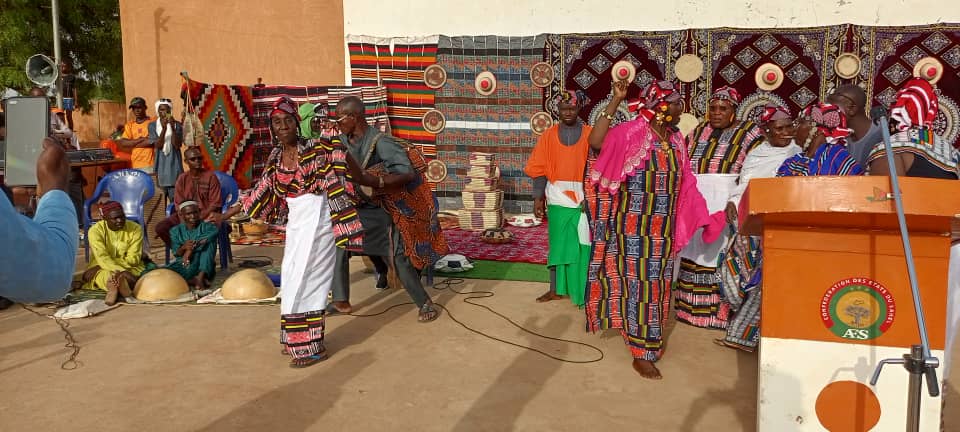
Delegations from the Alliance des États du Sahel (AES) countries, including Niger, Mali, and Burkina Faso, were present at the event. The attendance of these delegations signals a diplomatic overture and a potential strategic thaw between Cotonou and its Sahelian neighbors, following a period characterized by strained relations. This presence was particularly notable given the recent geopolitical shifts in the region and the emphasis on internal solidarity within the AES bloc. The presence of high-level representatives from Niger, Mali, and Burkina Faso is seen as a key step in rebuilding regional ties, suggesting a willingness to re-engage with Benin under its new leadership. Their participation shows the importance of regional stability and cooperation, particularly in addressing shared challenges.
High-Level Sahelian Presence
The Prime Minister of Niger, Ali Lamine Zeine, attended the investiture ceremony in Cotonou. His presence marked a significant diplomatic engagement from Niamey, signaling a readiness to forge new pathways for dialogue and collaboration with the Beninese administration. This direct representation from Niger's highest executive office speaks volumes about the perceived importance of Wadagni's inauguration for regional dynamics. Concurrently, the Minister of Foreign Affairs of Mali, Abdoulaye Diop, represented Bamako at the event, showing Mali's participation in the regional gathering. Minister Diop's attendance further solidified the impression of a concerted effort by AES members to extend an olive branch to Benin. Completing the high-level Sahelian delegation was the Minister of Foreign Affairs of Burkina Faso, Karamoko Jean-Marie Traoré, who traveled from Ouagadougou for the occasion. The presence of these three senior officials, each a key figure in their respective governments, collectively reinforced the message of a renewed commitment to regional engagement.
The attendance of these senior officials was particularly noteworthy given recent regional tensions. Ibrahim Traoré, the President of Transition of Burkina Faso, Assimi Goïta, the President of Transition of Mali, and Abdourahamane Tiani, the President of Transition of Niger, have all acknowledged Romuald Wadagni as a credible interlocutor. This recognition from the leaders of the Alliance des États du Sahel (AES) countries suggests a potential shift in diplomatic relations, signaling an openness to dialogue with the new Beninese administration. The collective presence of their top diplomats at the investiture reinforces this perception of a diplomatic thaw, indicating a possible pivot towards more constructive engagement after a period of estrangement. This acknowledgment of Wadagni's credibility is a key foundation for any future diplomatic progress and regional partnerships.
A New Era of Cooperation
Romuald Wadagni, addressing the gathering in his investiture speech, declared his readiness to work with neighboring countries, emphasizing that no single nation could confront the terrorist threat in isolation. This statement resonated deeply with the regional context, where extremist groups pose significant challenges across national borders. His commitment to collaborative security efforts outlines a foundational principle for his foreign policy, prioritizing shared threats over past disagreements. For Benin, resuming diplomatic and commercial channels with the Sahelian hinterland represents an absolute urgency, according to observers. The country's economic stability is closely tied to its role as a transit hub for goods destined for landlocked Sahelian states. The re-establishment of strong trade links is not merely an economic imperative for Benin but also key for the livelihoods and economic resilience of the entire sub-region.
Wadagni himself is described as a seasoned technocrat, having previously served as the Minister of Economy and Finance. His background suggests a focus on practical solutions and economic diplomacy, qualities that are highly valued in navigating complex regional relationships. His extensive experience in economic management positions him uniquely to understand the intricate linkages between security, trade, and development in West Africa. During his presidential campaign, Wadagni had consistently advocated for a pragmatic approach towards the Sahelian transitions, signaling a departure from previous policies that had led to strained relations. This stance included open dialogue with the military-led governments of the Alliance des États du Sahel (AES), demonstrating a forward-looking perspective focused on results rather than rigid adherence to past protocols. His campaign promises are now being translated into concrete diplomatic actions, as evidenced by the high-level attendance at his inauguration.
His public statements align with the perceived need to re-engage with these nations, particularly given the shared security challenges. The new Beninese leader’s emphasis on collective action against terrorism provides a potential framework for renewed cooperation with the AES member states. This framework is vital for developing coordinated strategies to counter the expansion of militant groups and stabilize vulnerable border regions. This strategic pivot aims to foster stability along Benin's northern borders and facilitate trade routes key for its economy, thereby ensuring both national security and economic prosperity. The willingness to engage directly with the AES leaders and their representatives marks a significant shift, potentially paving the way for a more integrated and secure regional environment.
Regional Security and Economic Imperatives
Romuald Wadagni recently emphasized the necessity of reinforced cooperation for the security of Benin and the broader region. This statement aligns with Benin's strategic interests, particularly concerning its northern borders and economic ties. The stability of these borders is critical for preventing the spillover of insecurity from the Sahel into Benin, safeguarding its citizens and economic infrastructure. The Port Autonome de Cotonou, a key national asset, stands as Benin's economic showcase, facilitating a substantial portion of trade for its landlocked Sahelian neighbors. Its operations are vital for the country's revenue and regional commerce, serving as a critical gateway for goods flowing in and out of the Sahel. The efficiency and security of this port directly impact the economic vitality of not just Benin, but also Niger, Mali, and Burkina Faso, making its continued smooth operation a shared regional interest.
The presence of delegations from the Alliance des États du Sahel (AES) countries—Niger, Mali, and Burkina Faso—at Wadagni's investiture ceremony could inaugurate a new era of regional governance. This potential shift positions Benin to play a key role in the security stabilization and economic integration of the Sahel. By actively engaging with its neighbors, Benin can leverage its strategic location and economic infrastructure to foster greater regional cohesion. Renewed diplomatic ties are expected to reinvigorate trade routes and foster collective approaches to shared security challenges, particularly against extremist groups operating in the Sahel. This includes potential joint security operations, intelligence sharing, and coordinated development initiatives aimed at addressing the root causes of instability. Wadagni's administration appears keen to re-establish Benin as a reliable partner and transit hub for its northern neighbors, a role critical for both Benin's economy and the stability of the wider region. This strategic re-engagement is poised to redefine regional dynamics, promoting a more collaborative and secure future for West Africa.