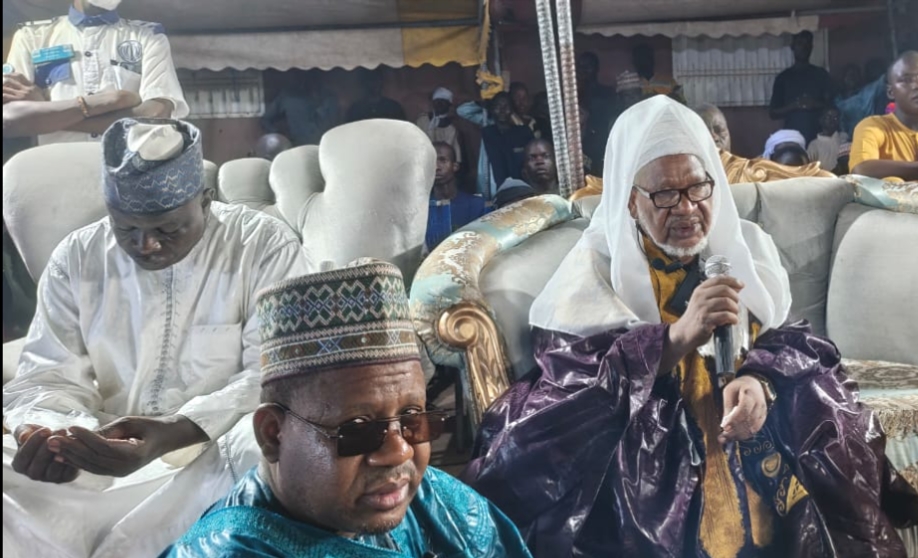
The Muslim community in Zinder, Niger, celebrated the Maouloud festival, commemorating the birth of Prophet Mahomed (PSL), on Tuesday, August 25th. This significant annual event saw widespread participation across the city. Administrative and customary authorities, alongside numerous Muslim faithful, gathered at the grand mosque of the Sultanate of Birni for the occasion. The celebration brought together local leaders and religious adherents in observance of the significant Islamic event, showing the deep spiritual and cultural importance of Maouloud for the city's inhabitants. The commemoration serves as a powerful reminder of the Prophet's life and teachings, drawing together various segments of society in collective worship and reflection.
Activities and Participants
The celebration commemorated the birth of the Prophet Mohamed (PSL) and saw activities spread across several mosques in Zinder. The spiritual observances were not confined to a single location but encompassed numerous centers of worship and learning throughout the city. Elhadji Issoufou Maman, the Administrator Delegate of the City of Zinder, participated actively in the commemorations by visiting multiple religious sites. His itinerary included stops at various mosques and Quranic schools throughout the city, demonstrating the official recognition and support for the religious festivities. This engagement allowed him to witness firsthand the devotion of the Muslim community and the educational efforts being undertaken during this holy period.
The Administrator Delegate's visits encompassed significant religious and educational institutions, noting the breadth of the celebration. He toured the grand mosque of Birni, a central location for the city's Muslim community, which served as a focal point for many of the day's activities. This mosque, known for its historical and architectural significance, hosted a large congregation of faithful. Additionally, Elhadji Issoufou Maman visited the Quranic school Malam tidjani Dan Kabarou and the school Malam Shiwidi, emphasizing the role of religious education during the festival. These visits showed the importance of Islamic learning and the transmission of religious knowledge to younger generations. His engagement also extended to the Hilin Tambari Zawiya of Khalifa Cheikh Malam Mounirou, further noting the breadth of participation in the Maouloud observances across Zinder. These institutions play a key role in the spiritual life of the community, and their inclusion in the official visits reinforced their standing. The presence of high-ranking officials at these sites symbolized the government's respect for religious traditions and its desire to foster community cohesion.
Official Messages and Calls
The annual celebration of Maouloud in Zinder traditionally features a rich array of spiritual practices. These include readings from the Holy Quran, which serve as a central pillar of Islamic worship and guidance. Alongside these readings, participants engage in zikrs, which are devotional acts of remembering God through repetitive invocations, and praises dedicated to the Prophet Mahomed (PSL). The celebrations also involve collective prayers intended to implore God for mercy within the country, reflecting a communal hope for peace, prosperity, and divine blessings for Niger. Religious leaders often emphasize that the Prophet Mahomed (PSL) was sent to transmit a message guiding humanity towards the right path and belief in divine unity. This core message of monotheism and righteous conduct is a recurring theme throughout the Maouloud celebrations. Moutari Chehou Ibrahim, known as Oustaz Chehou, expressed profound gratitude for the opportunity to celebrate the holy night commemorating the Prophet Mahomed's (PSL) birth, acknowledging the spiritual significance of the occasion for all Muslims.
Elhadji Issoufou Maman encouraged oulémas and Muslim faithful to multiply invocations and collective prayers for peace and security in Niger and the AES countries. This call for prayer notes the contemporary challenges faced by the region and the belief in the power of collective spiritual effort to overcome them. M. Issoufou Mamane also conveyed greetings and encouragement from the country's highest authorities, showing the national importance attributed to the festival. These messages included greetings from the President of the Republic, General of the Army Abdourahmane Tiani, and the Prime Minister, Ali Mahamane Lamine Zeine, affirming the government's recognition of the festival's spiritual significance and its role in fostering unity and stability. The Administrator Delegate's remarks reinforced the government's recognition of the festival's spiritual significance and its role in fostering unity and stability, demonstrating a shared commitment to the nation's well-being. The official presence and messages served to unite religious observance with civic responsibility, encouraging citizens to pray for the welfare of the nation.
Community Reflections and Prayers
Religious leaders used the occasion to recall the importance of unity and understanding among Muslim brothers concerning the teachings of Islam. This emphasis on internal cohesion is vital for the community's strength and resilience. Moutari Chehou Ibrahim, also known as Oustaz Chehou, insisted on maintaining good behavior, forgiveness, and generosity, following the Prophet's example. He further emphasized the significance of these virtues, urging adherents to follow the Prophet Mahomed's (PSL) example in their daily lives, thereby embodying the moral and ethical principles central to Islam. The calls for unity and exemplary conduct showed the spiritual themes central to the Maouloud celebrations in Zinder, reinforcing the idea that the commemoration is not merely a historical remembrance but a call to active emulation of the Prophet's character. These reflections aimed to reinforce community cohesion and individual adherence to Islamic principles during the annual commemoration, fostering a sense of shared purpose and spiritual renewal among the faithful. The collective prayers offered during the festival further solidified this sense of community, with participants seeking divine blessings for themselves, their families, and the nation as a whole.