Niger is embarking on an ambitious endeavor to unlock the significant oil potential within its Kafra block, a geological formation estimated to hold an impressive 2.5 billion barrels of crude oil. This substantial reserve positions the West African nation to potentially become a more prominent player in the regional energy landscape. The government's strategic focus is firmly set on developing these considerable reserves as a cornerstone of its broader strategy to invigorate and expand its energy sector. This initiative is a critical component of Niger's long-term vision, aiming to leverage its abundant natural resources for sustainable economic growth and enhanced national stability. The successful development of the Kafra block could significantly contribute to the nation's revenue streams and energy independence.
Exploration Underway
The active phase of exploration in the Kafra block commenced with the launch of drilling activities for four wells on February 13, 2026. This significant milestone in the project's timeline preceded a subsequent press conference held by the Minister of Petroleum. The current phase of the project specifically involves the drilling of four exploration wells, a technically demanding process that is expected to span a duration of two years. This initial exploration period is projected to continue, with the progression period for drilling potentially extending until July 3, 2028, indicating the careful and time-intensive nature of such large-scale hydrocarbon exploration. These initial wells are key for gathering data to confirm the geological models and assess the commercial viability of the reserves.
Long Road to Production
Despite the promising estimates, it would be premature to provide a specific date for the first barrel of oil to be extracted from the Kafra block, as stated by Hamza Harouna Adamou, the Minister of Petroleum. This candid acknowledgment by the Minister shows the inherently complex, multi-stage, and often lengthy process involved in bringing new oil fields into full production. The journey from initial discovery to commercial extraction is typically fraught with technical challenges, financial hurdles, and extensive infrastructure development.
Oil exploration efforts in the Kafra project have a deep-rooted history, dating back to the 1970s. This extended period of intermittent activity and assessment notes the inherent technical complexities and the substantial investment required over decades to fully understand and develop the region's hydrocarbon potential. The current phase of drilling for four exploration wells is a vital part of this ongoing, persistent effort. Work is expected to continue for several years before any commercial extraction can realistically begin, emphasizing the long-term commitment required for such a venture.
Ministerial Outlook
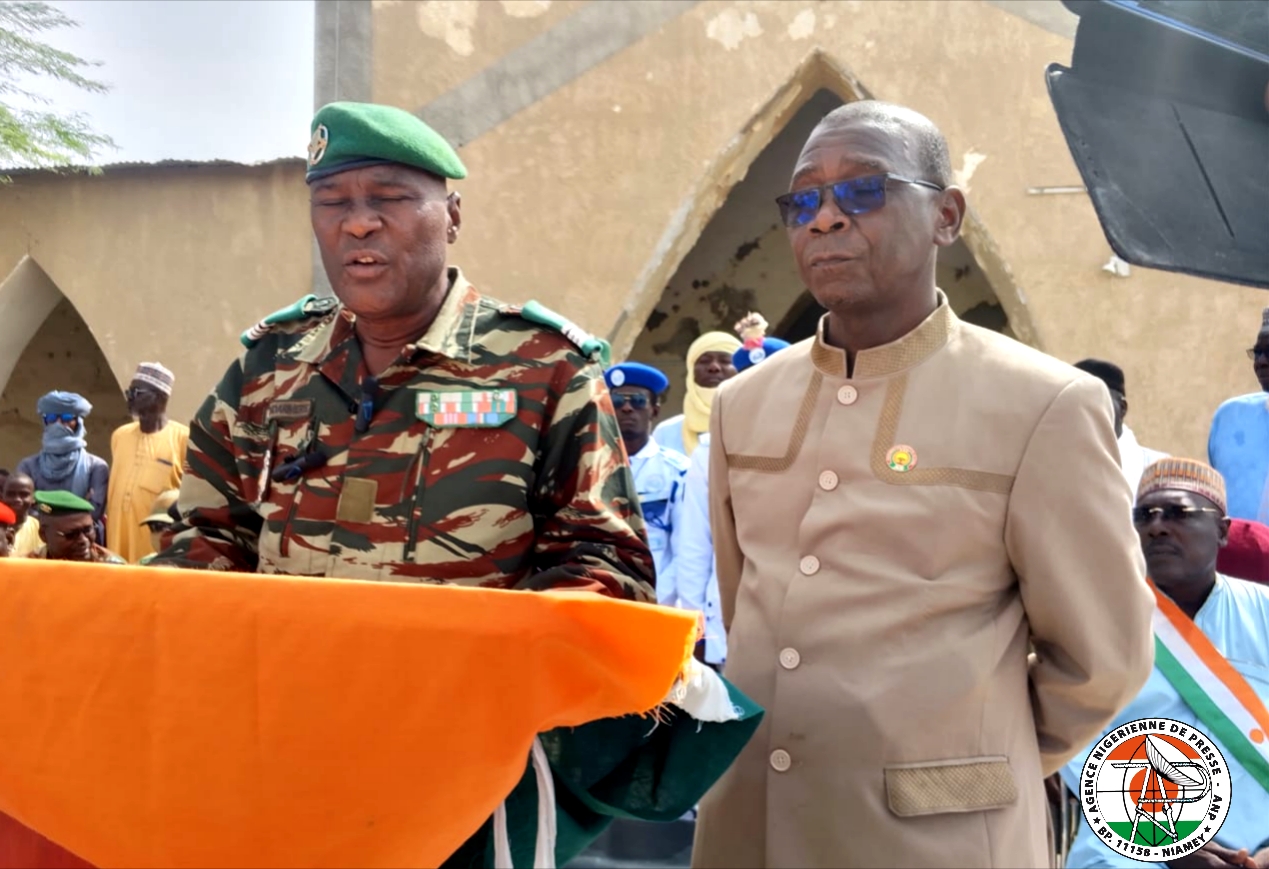
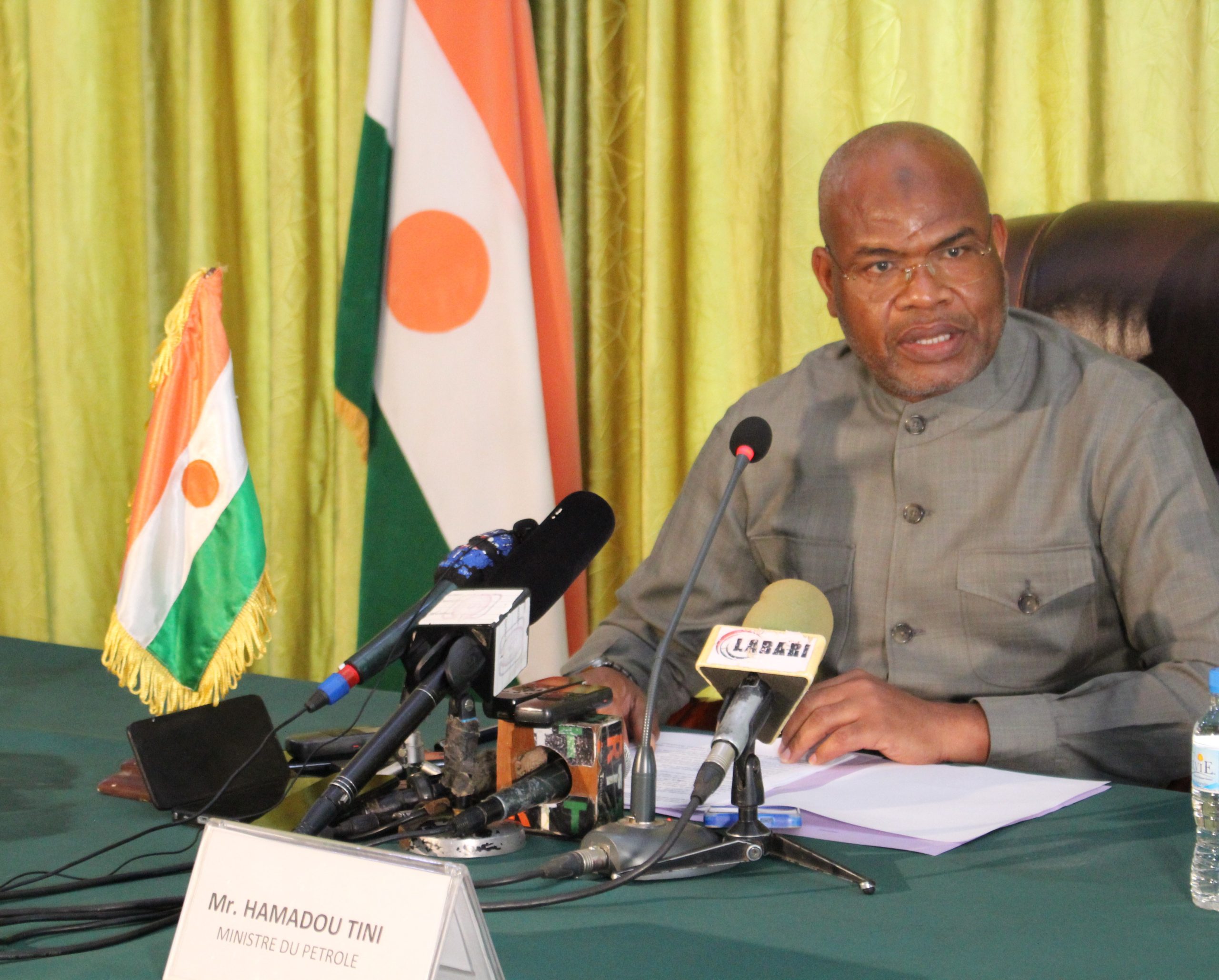
Niger's Minister of Petroleum, M. Hamadou Tini, provided a full update during a press conference held on Wednesday, September 9, 2026. The briefing offered key insights into the nation's evolving energy sector and the ongoing development trajectory of the Kafra oil block. M. Tini's remarks specifically addressed the government's strategic approach for maximizing the block's considerable potential, which, as previously noted, is estimated at 2.5 billion barrels. The minister's statements unequivocally reaffirmed Niger's unwavering commitment to advancing its oil exploration and production capabilities, positioning these efforts as a key and indispensable component of its overarching economic development plans. Further details regarding the project's anticipated timeline and key milestones were also extensively discussed during the conference, providing a clearer picture of the path ahead.
Future Prospects
Future oil production from the Kafra block hinges on several critical factors, according to officials closely involved in the project. Critical among these is the requirement for positive drilling results, which are essential to definitively confirm the estimated 2.5 billion barrels of reserves. Beyond confirmation, further dependencies include establishing the optimal productivity of the wells, ensuring the technical feasibility for efficient and safe extraction, and the concurrent development of all necessary infrastructure, including pipelines, processing facilities, and export terminals. Additionally, securing adequate and sustained financing for the extensive development phases remains an absolute prerequisite for advancing towards commercial production. These interconnected elements collectively determine the timeline and ultimate viability of bringing Kafra's substantial potential to fruition, transforming geological estimates into tangible economic benefits for Niger.