Algeria and Niger have finalized an agreement for a 100 Gbit/s trans-Saharan fiber optic link, connecting In Guezzam on the Algerian border to Agadez in Niger. This new fiber optic link represents a key step in enhancing digital connectivity between the two North African nations. The deal was signed during a working visit by an Algerian delegation to Niger on September 8 and 9, 2026. This infrastructure initiative aims to significantly improve telecommunications and digital services across the region. The future link will specifically offer an initial capacity of 100 gigabits per second (Gbit/s), providing substantial bandwidth for various applications. This strategic collaboration is expected to improve data exchange and communication services across the Sahara, fostering economic growth and digital inclusion in the connected areas.
Key Agreements Signed
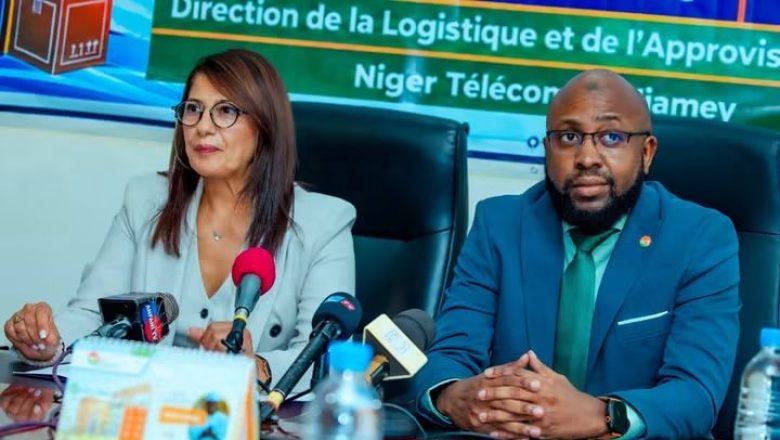
Algérie Télécom, Niger Télécom, and ESCEP-Niger were the signatories to the conventions establishing the fiber optic link. These key entities formalized their commitment to the ambitious project. The agreements also outline a full program designed to enhance the technical skills of Niger Télécom teams, indicating a broader scope for cooperation beyond mere infrastructure deployment. This program will focus on strengthening the technical capabilities of local personnel, ensuring long-term operational efficiency and maintenance. Ms. Ameena Dahdouh, advisor to the CEO of Algérie Télécom for partnership and Skills Centers development, led the Algerian delegation during the signing ceremony. Her presence showed the commitment from Algérie Télécom to the multifaceted aspects of the collaboration, including both infrastructure and human capital development. The inclusion of skills development aims to ensure sustainable management and operation of the new digital infrastructure by local teams in Niger, promoting self-sufficiency and expertise within the country.
Strategic Digital Backbone
The fiber optic link forms a vital component of a broader initiative aimed at establishing a trans-Saharan fiber optic backbone, which is designed to connect North Africa with sub-Saharan African regions. This larger project seeks to create a strong and resilient digital highway across the continent. Through this connection to the Algerian network, Niger gains direct terrestrial access to Europe and the Mediterranean basin, significantly enhancing its international connectivity and reducing reliance on satellite-based solutions. This direct access is expected to lower communication costs and improve data transfer speeds for Niger. The modernization of Niger's national network, facilitated by this new infrastructure, is intended to support various essential digital services. These services include e-administration, distance education, and other local digital offerings, all contributing to the country's full digital transformation efforts. The enhanced connectivity will also support the growth of local businesses and provide better access to information for citizens.
Strengthening Bilateral Ties
The future trans-Saharan fiber optic link will provide an initial capacity of 100 gigabits per second (Gbit/s). This high-capacity connection is intended to significantly enhance the digital infrastructure between the two nations, laying the groundwork for future digital advancements. The project specifically aims to secure data exchange between Niger and Algeria, contributing to improved communication reliability and network stability for both countries. This security is critical for sensitive government and commercial data. The agreement between Algérie Télécom, Niger Télécom, and ESCEP-Niger not only focuses on infrastructure deployment but also includes a program to develop the technical skills of Niger Télécom teams. This critical aspect of the collaboration shows a commitment to long-term operational sustainability and technical self-sufficiency for Niger's digital networks, ensuring that the country can manage and maintain its own infrastructure effectively. The initiative is part of a broader effort to establish a full digital backbone across the Sahara, fostering regional integration and economic development. The enhanced digital ties are expected to deepen overall bilateral relations between Algeria and Niger.
Official Statements and Engagements
Two conventions were signed in Niamey, establishing the formal framework for the fiber optic link and detailing the responsibilities of each signatory. A Skills Centre will be created at ESCEP-Niger, supported by Algérie Télécom's expertise. This centre will serve as a hub for training and capacity building, directly addressing the need for skilled personnel in the telecommunications sector. The Algerian delegation, led by Ms. Ameena Dahdouh, also met with Mashoul Abdoul Nasser, Secretary General of the Nigerien Ministry of Communication, during their visit. This meeting provided an opportunity to discuss the strategic importance of the project and its alignment with Niger's national development goals, reinforcing the commitment of both governments to the success of this vital digital initiative.