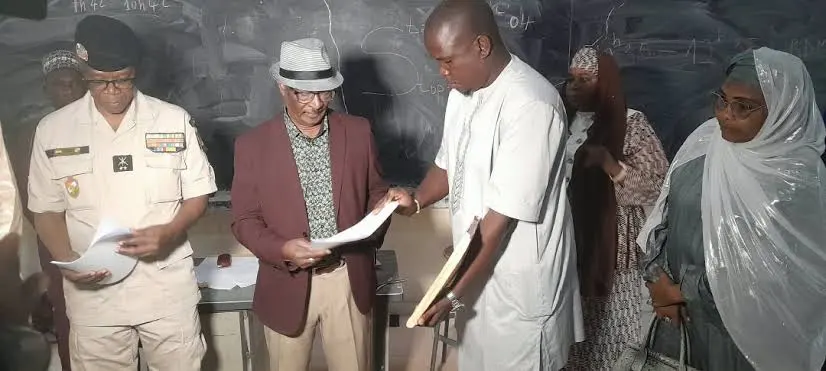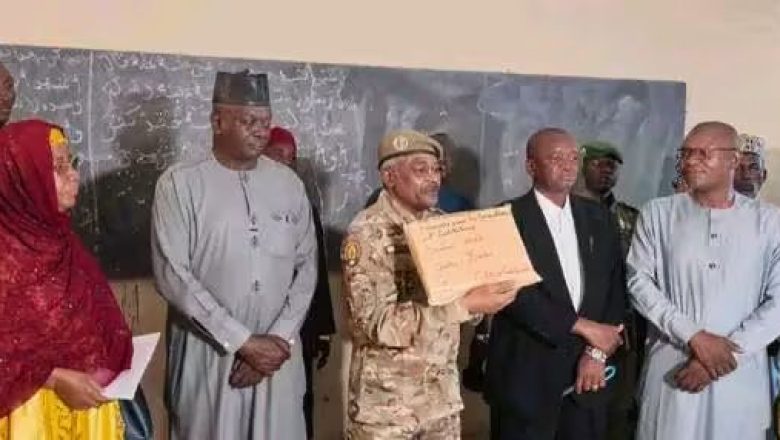
Entrance tests for teacher training colleges in Zinder commenced on Monday, launched by Colonel Massalatchi Mahaman Sani, the governor of the Zinder region. This significant event marks a key step in the region's educational development strategy. A total of six hundred and five candidates are participating in these competitive examinations, vying for places in the esteemed teacher training programs. The official opening ceremony took place at the Askia Mohamed Normal School, which has been designated as the central examination center for candidates hailing from four distinct regions, specifically Zinder, Diffa, Maradi, and Agadez. This centralization shows the regional scope and importance of the ongoing selection process for future educators.
Exam Details and Scope
The candidates participating in these key teacher training entrance exams originate from the aforementioned four regions: Zinder, Diffa, Maradi, and Agadez. The competition itself is meticulously structured to occur within a single day, ensuring a focused and efficient assessment process. During this day, applicants are rigorously assessed on their proficiency in both general knowledge, reflecting broader academic capabilities, and specialized subjects directly relevant to the teaching profession. This dual assessment aims to identify well-rounded individuals prepared for the challenges of educating the next generation.
Among the total pool of 605 candidates, 123 are women, noting a notable female participation rate across the participating regions. Focusing specifically on the Zinder region, which accounts for a substantial portion of the applicants, women constitute a significant majority. There are 486 female applicants from Zinder participating in these examinations. Conversely, 58 male candidates from the Zinder region are also taking part in this competitive assessment process, demonstrating a diverse representation among local aspirants. The Zinder region alone accounts for 544 of the 605 registered candidates, showing its central role in this year's intake.
Selection and Training Process
Selected candidates who successfully navigate the entrance examinations are slated to undergo a full training program. This program begins with one year of intensive theoretical training, designed to equip them with foundational pedagogical knowledge and subject matter expertise. This initial period is then followed by four distinct practical internships, strategically designed to provide extensive hands-on experience in real classroom environments. These internships are key for translating theoretical knowledge into practical teaching skills. Upon the successful completion of the practical year, candidates will participate in a final examination to evaluate their readiness for the profession. This ultimate assessment is overseen by a distinguished jury composed of an inspector, who serves as the president, and two experienced teachers. One of these experienced teachers on the jury will specifically be a school principal, ensuring that the assessment benefits from both supervisory and on-the-ground educational leadership perspectives.
Authorities' Reform Rationale
Regional authorities have consistently presented these ongoing reforms as a strategic and indispensable move to significantly strengthen the overall quality of Niger's education system. The entire initiative is fundamentally aimed at prioritizing merit, competence, and unwavering transparency within the selection process for teacher training programs. This deliberate approach is specifically designed to mitigate and ultimately reduce instances of cheating and favoritism, issues that have historically affected equitable access to normal schools for prospective educators. Officials firmly believe that by concentrating efforts on these core principles—merit, competence, and transparency—the region will cultivate a more strong, highly qualified, and equitable teaching workforce, capable of delivering improved educational outcomes for all students.